



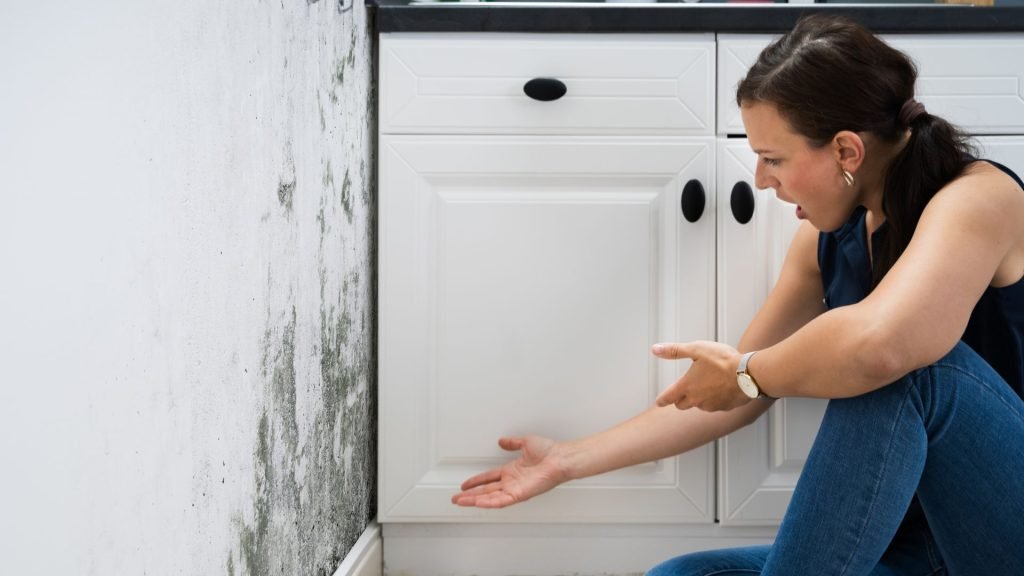
Understanding Mold Concerns
Mold toxicity can stealthily infiltrate our living spaces, impacting our health in subtle yet significant ways. Mold, a type of fungus, thrives in damp and poorly ventilated environments, and its presence can go unnoticed for a long time. However, mold can cause significant health problems for humans.
Knowing the signs of mold toxicity is vital for protecting ourselves and our loved ones’ health.
1. Respiratory Issues
Inhaled mold spores can lead to various respiratory conditions like coughing, wheezing, and shortness of breath. Do not overlook persistent breathing issues, especially in environments where mold is suspected.
2. Allergic Reactions
Mold spores are potent allergens and can trigger mold allergies in susceptible individuals. Symptoms may include sneezing, runny or stuffy nose, itchy eyes, and skin irritation. Recurring allergic reactions without any apparent cause warrant investigation into potential mold exposure.
3. Fatigue and Weakness
Chronic fatigue and unexplained weakness are common symptoms of mold toxicity. Mold exposure can disrupt the body’s immune system and lead to persistent fatigue, even after adequate rest.
4. Headaches and Migraines
Frequent headaches and migraines have been linked to mold toxicity. If you experience recurring headaches without any identifiable cause, it’s essential to consider environmental factors such as mold contamination.
5. Brain Fog and Cognitive Impairment
Mold toxins can affect cognitive function, leading to difficulties with concentration, memory problems, and overall cognitive impairment. Persistent brain fog despite adequate rest and nutrition could be indicative of mold toxicity.
6. Muscle and Joint Pain
Mold toxicity can manifest as unexplained muscle and joint pain. These symptoms can resemble those of other conditions, making it difficult to pinpoint the root cause without considering mold exposure as a potential factor.
7. Digestive Issues
Mold toxicity can disrupt digestive function, leading to symptoms such as bloating, diarrhea, constipation, and abdominal pain. Chronic digestive issues that do not respond to conventional treatments should prompt an investigation into mold exposure.
8. Skin Problems
Skin reactions such as rashes, itching, and dermatitis can result from exposure to mold spores. Persistent or recurring skin problems, especially when combined with other symptoms listed here, should prompt suspicion of mold toxicity.
9. Sensitivity to Light and Sound
Individuals exposed to mold toxins may develop a heightened sensitivity to light and sound. This sensitivity can exacerbate existing symptoms and significantly impact quality of life.
10. Mood Swings and Depression
Mold toxicity can upset brain chemicals, causing mood swings, irritability, anxiety, and depression. These psychological symptoms may worsen over time if the underlying mold exposure remains unaddressed.
Taking Action Against Suspected Mold Toxicity
If you suspect mold toxicity based on these warning signs, it’s essential to take proactive steps to address the issue:
Seek Medical Advice:
Consult a healthcare professional experienced in environmental medicine to evaluate your symptoms and determine the appropriate course of action.
Find and Fix Mold:
Check your home or workplace thoroughly to locate areas affected by mold. Implement appropriate mold remediation measures to eliminate the source of contamination and prevent future mold growth.
Improve Indoor Air Quality:
Improve ventilation, lower humidity levels, and use air purifiers to reduce indoor mold spore concentration.
Support Detoxification:
Help your body’s natural detox processes with good nutrition, hydration, regular exercise, and enough sleep.
Seek Professional Assistance:
In severe cases of mold toxicity, consider getting help from mold removal professionals to ensure thorough cleanup and restoration of affected areas.
Prioritize Addressing Mold Toxicity Concerns
Mold toxicity can cause many health conditions that can greatly affect physical, mental, and emotional well-being. By recognizing symptoms of mold exposure and taking proactive measures to address mold exposure, you can protect yourself and your loved ones from the silent threat lurking within our living environments. Prioritize your health and create a safer, healthier indoor environment for optimal living.
Do you have a mold situation in your home or commercial space? Get in touch with the experts at United Water Restoration Group by calling (800) 430-5838 today!