


Water Mitigation Services in Tampa
Count on us for efficient water mitigation services in Tampa, FL.
Our expert team swiftly addresses water damage, employing advanced techniques to minimize potential risks. From assessment to precise mitigation procedures, we ensure a comprehensive solution tailored to your specific needs.
What Is Water Mitigation?
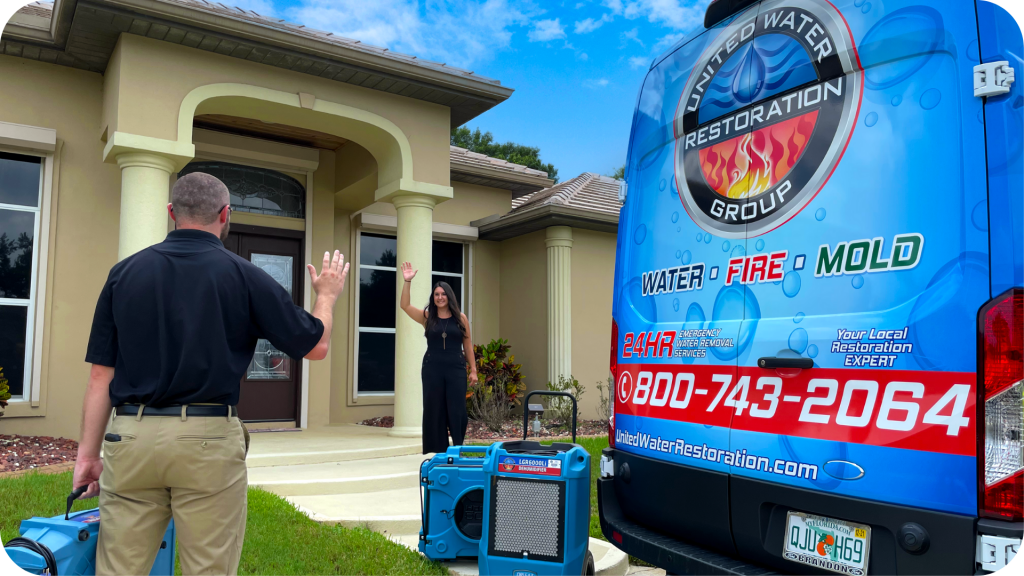
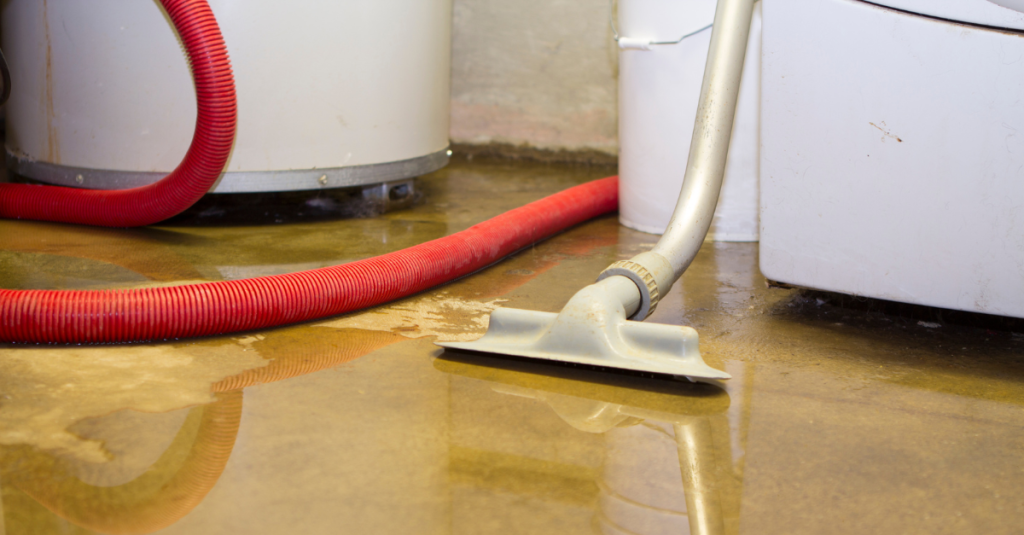
Water mitigation involves swiftly assessing, containing, and preventing additional water damage following an initial incident. The objective is to minimize property loss from water leaks or floods by halting the spread and preventing secondary damage. This typically includes water removal, drying, sanitizing, and cleaning. Initiating water mitigation promptly is crucial after a leak or water damage is noticed. While homeowners can handle some steps, relying on an expert for a thorough water mitigation process is often necessary.
Water Mitigation vs.
Water Damage Restoration
Water mitigation and water damage restoration are often used interchangeably, but there is a key difference. Water mitigation involves immediate measures to minimize damage, while restoration comprises repairs after full drying, bringing the property back to its pre-loss condition, which may include sanitizing, antimicrobial application, and repairs like carpet cleaning or drywall patching.
Our Water Mitigation Process in Tampa
1. Stop the Flow of Water
The initial and crucial step in water mitigation is to halt the water flow into your property, ensuring that further steps in the mitigation process can effectively reduce damage after addressing the source of the leak.
2. Categorize the Level or Range of Contamination
Water mitigation experts begin by assessing the source of water damage and categorize it:
Category 1: Water from clean sources like a burst pipe or broken toilet tank.
Category 2: Moderately contaminated water, often known as gray water, from sources like dishwasher overflow.
Category 3: Grossly contaminated water, referred to as black water, from sewage or flooding, containing harmful agents.
3. Classifying the Extent of Damage
Our technicians assess the extent of water damage and classify it:
Class 1: Minimal water damage, affecting less than 5% of the space’s surfaces.
Class 2: Significant water absorption, impacting 5%-40% of the space’s surfaces.
Class 3: Extensive water absorption, affecting over 40% of the space’s surfaces.
Class 4: Deep water damage in materials like plaster or hardwood, requiring specialized drying methods due to low evaporation rates.
4. Perform Water Extraction and Dry Out the Space
After categorizing and classifying the water damage, our technicians select appropriate tools to remove standing water. After extraction, they proceed with thorough drying using equipment like pumps, vacuums, dehumidifiers, air scrubbers, and fans to restore normal moisture levels, preventing mold growth and secondary damage.
5. Create a Restoration Plan of Action
The final step is to create a restoration plan. This plan outlines an estimated timeline, salvageable items, key steps, and recommendations for additional repairs if required, ensuring clarity and alignment before commencement.
Client Testimonials
Posted on GoogleTrustindex verifies that the original source of the review is Google. Justen Gourley, was very professional and very informant.Posted on GoogleTrustindex verifies that the original source of the review is Google. Stavon and Tyreek did an outstanding job at removing my water damaged flooring. I appreciate their professionalism and positive work ethic at ensuring home owner satisfaction. Thank you so much🤩😍Posted on GoogleTrustindex verifies that the original source of the review is Google. Cedric and Ethan did an outstanding job. Thank you for your professionalismPosted on GoogleTrustindex verifies that the original source of the review is Google. I used this company after a pipe burst in my home. Charged me $3000 for setting up 10 fans for 2 days. Never pulled baseboard never vented the walls. Didn’t show up for 24 hours. Do not use this company. I’m filing complaints with the BBB among others.Posted on GoogleTrustindex verifies that the original source of the review is Google. Great job repairing a kitchen that had water damage and great communication from Bradley.Posted on GoogleTrustindex verifies that the original source of the review is Google. Bradley from United Water Restoration was an absolute pleasure to work with! He was extremely responsive to our questions and concerns. He is extremely knowledgeable in the field. I could not have been more impressed and satisfied with Bradley’s professionalism and his team’s work on our home construction project. A+++ service all the way around! Thank you Bradley and Team!Posted on GoogleTrustindex verifies that the original source of the review is Google. Unfortunately we had a water leak from the washing machine pipe. Fortunately we used UWRS for the remediation and repairs. We were assigned Bradley Tomlin as our project lead. Bradley was fantastic; he kept us informed every step of the way and made sure we understood what would happen next. We are very pleased with the completed repairs and thankful we used UWRS.Posted on GoogleTrustindex verifies that the original source of the review is Google. These professionals are exceptional! Just two months after moving into our new home, we discovered that a sewer drain line was mistakenly not connected to the septic system. This oversight resulted in two months' worth of bathroom waste leaking into the home's insulation and crawl space, creating a significant mess. United was recommended to us by our plumber, and they responded immediately, visiting us the same day to provide an estimate and begin the necessary repairs. They meticulously removed the contaminated insulation from beneath the house and thoroughly cleaned the area. Despite the unpleasant nature of the task, their team handled everything with outstanding professionalism.Posted on GoogleTrustindex verifies that the original source of the review is Google. Robert and stavon was on time and very helpful highly appreciatedPosted on GoogleTrustindex verifies that the original source of the review is Google. They were prompt in their quote and in doing the work. Communication was great and the work was thorough. We had a water intrusion with a lot of mold and drywall that needed removed.
Call Our Expert Water Damage Team For Help!
Contact our team for immediate assistance with water damage issues and we’ll arrive within the hour. Don’t delay, call now!